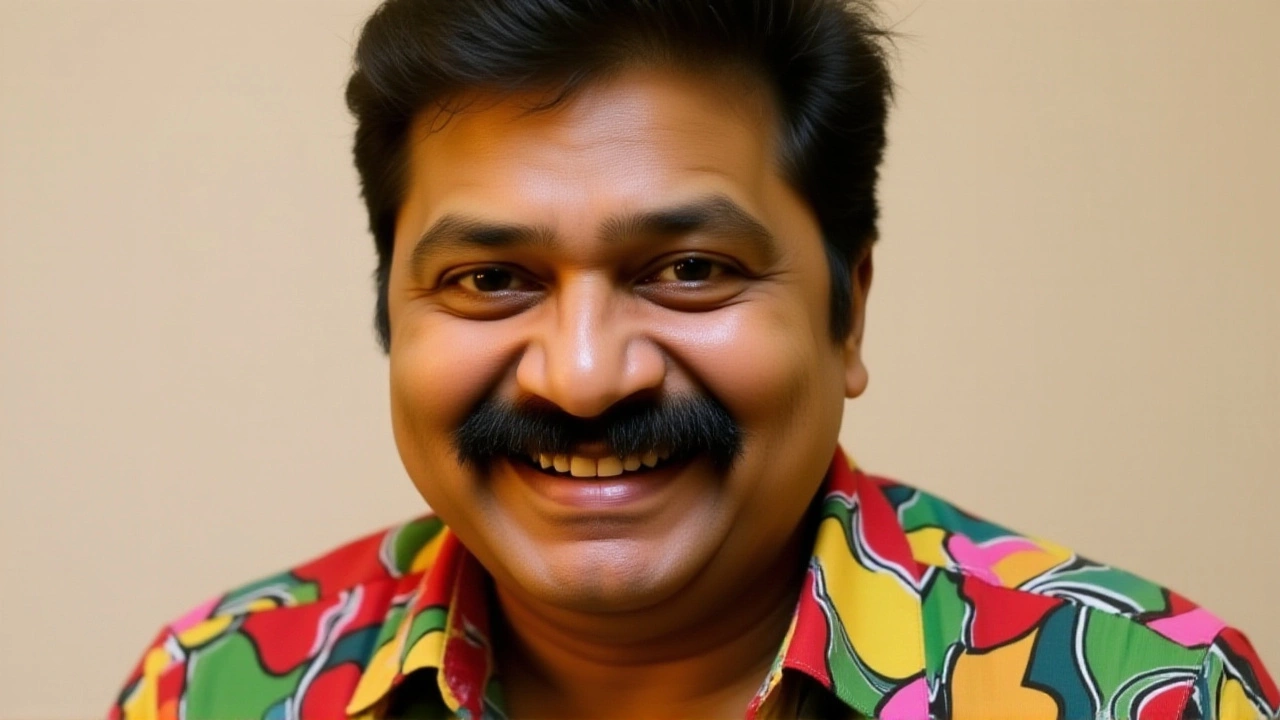
When Federation of Western India Cine Employees (FWICE) sent a formal letter to Narendra Modi, Prime Minister of India last week, the request was clear: honor the late Satish Shah with a posthumous Padma Shri. The timing couldn’t be more poignant. Just days after Shah’s passing on October 25, 2025, the industry is grappling with loss while simultaneously fighting for recognition of his four-decade legacy.
The actor, who brought laughter to millions through films and television, died at age 74 due to cardiac arrest. But this isn’t just about mourning—it’s about validation. FWICE, representing technicians and workers in Mumbai’s film hub, argues that Shah’s contribution to Indian entertainment deserves national acknowledgment. Here’s why this move matters beyond the usual bureaucratic process.
A Career Built on Laughter
Turns out, you don’t need dialogue-heavy roles to leave a mark. Satish Shah spent roughly 40 years making audiences laugh, often playing quirky supporting characters that stole scenes. From early Bollywood comedies to iconic TV shows like Saraswatichandra and later Sarabhai vs Sarabhai, his timing was impeccable. He wasn’t the lead, but he was unforgettable.
His role as Jethalal Gada’s father-in-law in Sarabhai vs Sarabhai made him a household name across urban India. The show ran from 2004 to 2006, peaking during a golden era of satirical Indian television. Even today, clips of his expressions circulate widely online—a testament to how deeply embedded he became in pop culture memory.
But here’s the thing: despite decades of consistent work, major national honors eluded him during his lifetime. That gap between public affection and official recognition is what prompted FWICE’s intervention. They didn’t wait for next year’s nominations—they acted immediately.
Industry Weighs In After Tragic Loss
The shockwaves from Shah’s death rippled quickly. Within hours, celebrities took to social media sharing memories. Prime Minister Narendra Modi himself tweeted condolences, calling Shah “a beloved artist” whose humor transcended generations. Yet behind the tributes lay an unspoken question: Why did it take tragedy for serious consideration?
Sumit Raghavan, who played Shah’s on-screen son in Sarabhai vs Sarabhai, voiced many fans’ frustration. “Why weren’t these awards given when he was alive?” he asked publicly. His comment struck a nerve—not because it accused anyone, but because it highlighted a systemic delay in honoring veteran artists until their final breath.
This pattern isn’t unique to Shah. Many character actors receive attention only after retirement or death. The Padma Awards committee typically reviews submissions annually, often prioritizing current relevance over historical impact. By then, some contributions fade from immediate visibility.
What Happens Next?
If approved, Shah will join an exclusive group receiving posthumous civilian honors. Recent recipients include musicians, scientists, and activists—but few pure entertainers outside mainstream cinema stars. This distinction could set precedent for future recognitions of character actors and television performers.
The award ceremony usually takes place around Republic Day (January 26) or Independence Day (August 15). If included in the upcoming list, Shah’s family would receive the medal along with citation detailing his artistic merit. No cash component accompanies the Padma Shri—it’s purely symbolic, yet carries immense prestige.
Experts suggest this case might influence how cultural ministries evaluate non-leading talent moving forward. As one analyst noted, “Television shaped modern Indian identity almost as much as film. Ignoring its pioneers creates blind spots in our national narrative.”
Broader Implications for Entertainment Recognition
Beyond individual justice, this situation reflects larger debates around art valuation. Who decides which creators deserve state honor? Often, commercial success outweighs craft quality. Shah never starred in blockbusters, yet his influence permeated countless productions.
Consider the numbers: Over 100 film credits, multiple award-winning TV series, mentorship of younger actors—all accumulated quietly without seeking spotlight. Now, institutions are catching up. Whether this leads to structural change remains uncertain, but awareness has definitely shifted.
In the coming months, watch for increased advocacy by guilds like FWICE pushing for broader inclusion criteria. Other veterans may follow suit, demanding timely recognition rather than retrospective apologies wrapped in medals.
Frequently Asked Questions
Who is Satish Shah and why does he matter?
Satish Shah was a veteran Indian actor known for comedic roles spanning four decades. He gained fame through films and hit TV shows like Sarabhai vs Sarabhai, where his nuanced performances defined entire scenes despite limited screen time. His ability to convey emotion through subtle gestures made him indispensable to directors.
Why did FWICE write to PM Modi?
The Federation of Western India Cine Employees sought to expedite recognition for Shah before nomination deadlines passed. Given his recent passing on October 25, 2025, they feared delayed consideration might exclude him entirely. Their letter emphasized his sustained contribution to both cinema and television industries.
Is there any guarantee he’ll get the Padma Shri?
No automatic approval exists. While initial reports indicate his name appears in preliminary lists, final selection rests with independent committees reviewing hundreds of applications annually. Historical data shows approximately 30% of recommended candidates receive actual awards each cycle.
How common are posthumous Padma Awards?
Relatively rare compared to living recipients. Between 2020–2024, fewer than five percent of all Padma Shri awardees received honors after death. Most posthumous citations go to figures whose deaths sparked widespread public outcry or policy discussions regarding neglected contributions.
What role did Sumit Raghavan play in this campaign?
Raghavan didn’t initiate the petition but amplified public discourse by questioning why such honors come too late. His comments resonated emotionally, prompting renewed interest among younger viewers unfamiliar with Shah’s earlier work. Social media engagement surged following his statement.